
- HOME
- INTRODUCTION Profile Milestone Team
- SERVICE Warranty RMA Policy Technical Support
- PRODUCTS Surgical Energy Platform Touch Electrosurgical Unit Large Vessel Sealing Instrument Electrosurgical Unit Operation Room Patient Monitor Handheld Pulse Oximeter Fingertip Pulse Oximeter Fetal Doppler Medical Pump Electrocardiograph Veterinary Series
- NEWS Company News Exhibition News
- VIDEO
- CONTACT
- ----------
- Electrosurgical Unit Safety: Neutral Electrodes and CQM
- 2026-11-27 09:33:22
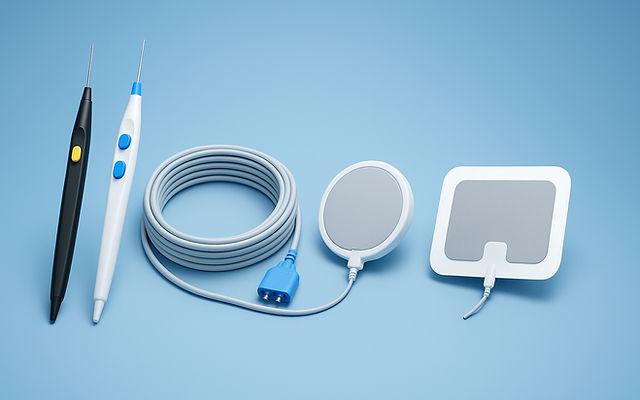
Electrosurgical Unit Safety: Neutral Electrodes and CQM
During the use of an Electrosurgical Unit (ESU), attention is often focused on generator output power, cutting performance, and coagulation capabilities. However, one important accessory is frequently overlooked: the neutral electrode (also known as the patient return electrode).
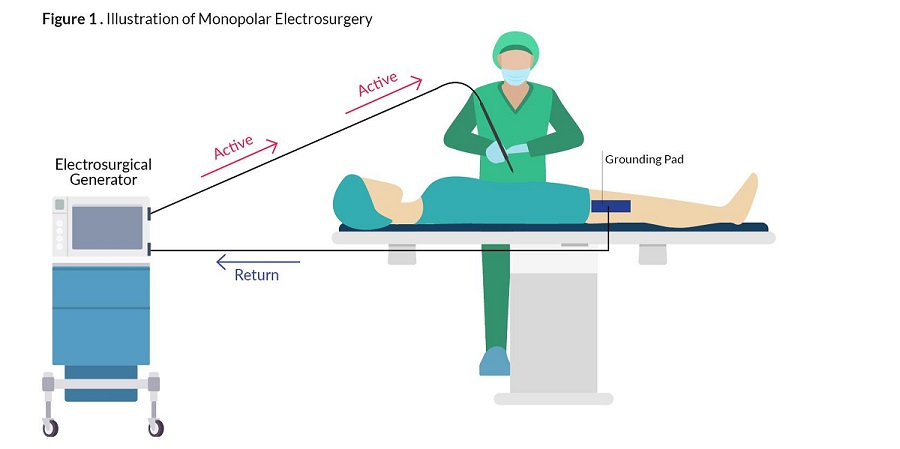
In monopolar electrosurgery, the neutral electrode plays an essential role in completing the electrical circuit. Its contact quality directly affects current distribution and patient safety.
1. Why Is the Neutral Electrode So Important?
In monopolar electrosurgery, high-frequency current flows from the generator through the active electrode into the patient's tissue, then returns to the generator through the neutral electrode, completing the electrical circuit.
The active electrode has a relatively small contact area, creating a high current density that enables tissue cutting and coagulation. In contrast, the neutral electrode provides a much larger skin-contact area, helping reduce current density and allowing the current to return to the generator.
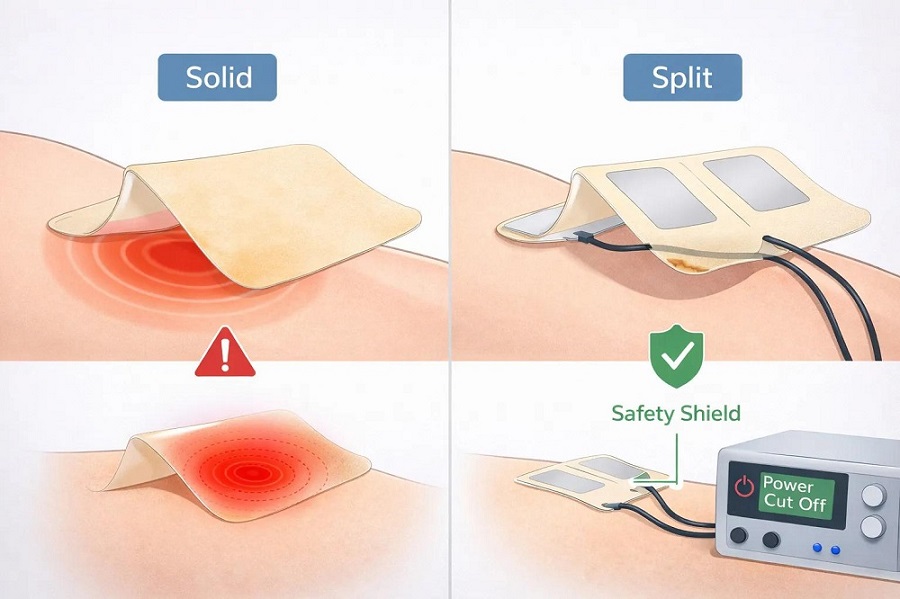
The concern arises when the effective contact area between the neutral electrode and the patient's skin decreases. This can increase local current density, leading to heat concentration and a higher risk of skin burns.
For example, partial electrode detachment, inadequate skin preparation, fluid contamination, or changes in the patient's position during surgery may affect electrode adhesion and contact quality.
2. What Factors Can Affect Neutral Electrode Safety?
Three factors deserve particular attention:
-
Reduced Adhesive Performance: Conductive adhesive gel can be affected by expiration dates, temperature, humidity, and storage conditions. Inadequate skin preparation and insufficient drying may also compromise electrode adhesion.
-
Electrode Structural Damage: Folding, excessive pressure, or improper cutting may damage the internal conductive layer and affect current distribution.
-
Unreliable Electrical Connections: Repeated use may cause wear or poor contact in connectors, cables, and sockets, potentially affecting the reliability of the entire electrical circuit.
For example, when the edge of a neutral electrode begins to lift from the skin, the effective contact area may decrease, potentially changing current distribution.
These issues may not always be obvious before surgery. Therefore, proper electrode placement, preoperative inspection, and intraoperative monitoring are all important.
3. CQM: Contact Quality Monitoring Technology in Electrosurgery
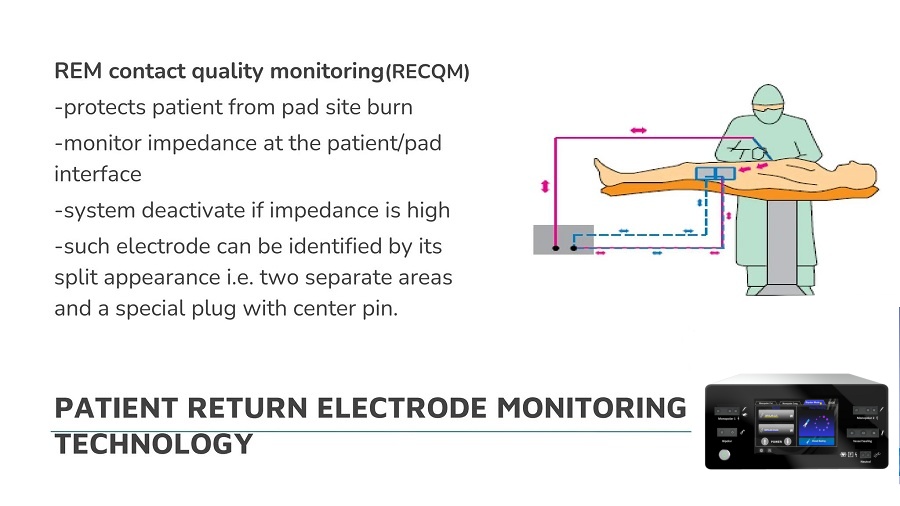
Contact Quality Monitoring (CQM) is an important safety technology in modern electrosurgical systems.
Its basic principle involves using a split neutral electrode, in which the conductive area is divided into two electrically isolated sections. The system continuously monitors impedance changes between these two sections.
When abnormal electrode contact is detected, the system can trigger an alarm and, depending on the device design, inhibit or stop high-frequency output to help reduce the risk of localized overheating.
However, CQM does not eliminate all potential risks. Split neutral electrodes must be compatible with the monitoring system of the electrosurgical generator, and the relevant detection thresholds must be properly designed and validated.
The sixth edition of IEC 60601-2-2 (2023) further addresses requirements for contact quality monitoring of adult neutral electrodes. This reflects the medical electrical equipment industry's increasing emphasis on the safety of the entire electrical circuit, rather than focusing solely on generator performance.
4. What Should Hospitals and Distributors Consider When Purchasing an ESU?
When selecting an electrosurgical unit, output power, cutting modes, and coagulation modes are certainly important. However, the reliability of accessories deserves equal attention.
When evaluating neutral electrodes and related accessories, hospitals and medical device distributors should consider the following:
-
Electrode expiration dates, packaging integrity, and storage conditions.
-
Compatibility between the neutral electrode and the electrosurgical generator.
-
Whether the CQM function has undergone appropriate system-level compatibility testing and validation.
-
The quality and reliability of connecting cables, plugs, and related accessories.
-
Whether the supplier can provide comprehensive technical documentation and support for system-level verification.
Equipment price determines the initial purchasing cost, while system reliability contributes to its long-term value.
-
True Electrosurgical Safety Depends on the Entire System
A reliable electrosurgical unit requires more than stable generator output. It also depends on reliable active electrodes, neutral electrodes, connecting components, and proper clinical operation.
At PROMISE, we believe that medical device safety should not be reflected solely in generator specifications or product configurations. It should also be demonstrated through the technical details that are often overlooked.
Because truly reliable medical equipment should not only perform its intended surgical functions but also consistently prioritize patient safety.
Frequently Asked Questions (FAQ)
1. What is a neutral electrode in electrosurgery?
A neutral electrode, also known as a patient return electrode, is a component of a monopolar electrosurgical system that provides the return pathway for electrical current. Its relatively large skin-contact area helps reduce current density and allows high-frequency current to return to the electrosurgical generator.
2. Why can poor neutral electrode contact cause skin burns?
When the effective contact area between the neutral electrode and the patient's skin decreases, local current density may increase. This can lead to heat concentration and increase the risk of skin burns.
3. What is CQM in an electrosurgical unit?
Contact Quality Monitoring (CQM) is a safety monitoring technology that detects changes in impedance between the two conductive sections of a split neutral electrode. When abnormal contact conditions are detected, the system can trigger an alarm and initiate appropriate output-inhibition measures, depending on its design.
4. Can any neutral electrode be used with any electrosurgical unit?
No. A neutral electrode must meet the interface, monitoring system, and compatibility requirements specified by the electrosurgical generator manufacturer. For systems equipped with CQM, the electrode should undergo appropriate compatibility verification with the generator.
5. What should buyers consider when evaluating neutral electrodes for an electrosurgical unit?
Buyers should consider the electrode's expiration date, storage conditions, conductive layer quality, connection reliability, and compatibility with the electrosurgical generator. For systems equipped with CQM, relevant compatibility and validation documentation should also be reviewed.
Disclaimer: This article is intended for medical equipment education and technical knowledge sharing. It does not constitute medical advice or a guarantee of product performance. Specific equipment parameters, operating procedures, and applicable standards should be verified against the manufacturer's instructions for use and the regulations applicable in the target market.
